
🌿 Take Action
Practical steps individuals and companies can take to reduce their environmental impact.
Measuring a person's carbon footprint includes a number of factors. Choices we make, from the food we eat, to the products we use and industries we support, to the distances we travel, play into the amount of greenhouse gases we add into the atmosphere. These greenhouse gases, including carbon dioxide, methane, and nitrous oxide, all aid in the warming of the atmosphere, and contribute to the effects of climate change.
— The Appalachian Mountain Club
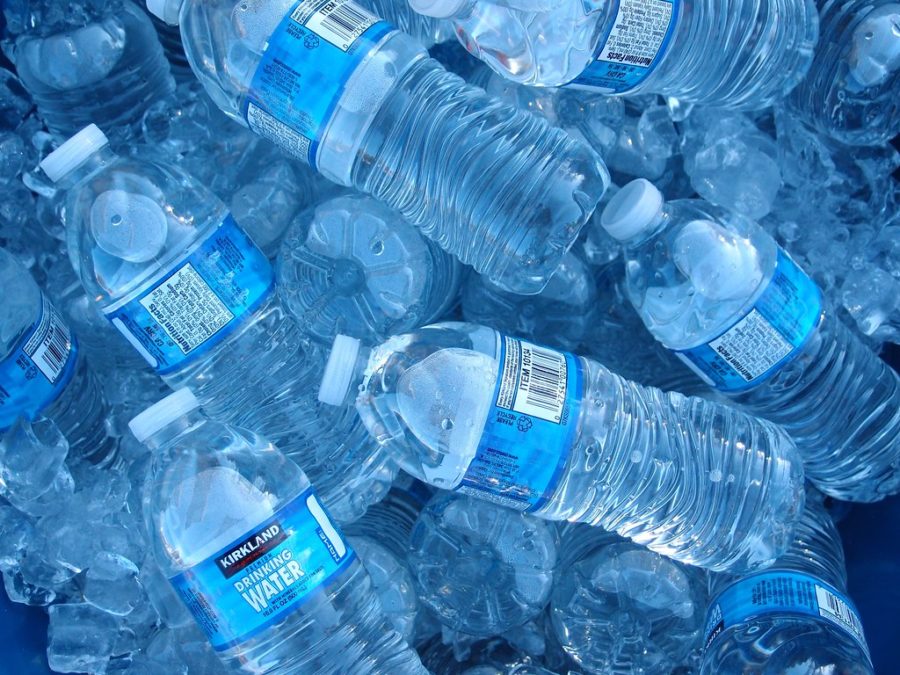
Stop Buying Bottled Water!
We know they are convenient, and sometimes you just have to have them. But honestly, most of us at home can alternatively use filtered water and re-usable bottles on a daily basis.
Plastic water bottles are a massive contributor to global pollution, with roughly 480–600 billion bottles used annually, generating millions of tons of waste. Plastic bottles constitute approximately 12% of all plastic waste in the world's oceans and are the third most common type of plastic pollution collected in coastal cleanups.
Plastic water bottles are a massive contributor to global pollution, with roughly 480–600 billion bottles used annually, generating millions of tons of waste. Plastic bottles constitute approximately 12% of all plastic waste in the world's oceans and are the third most common type of plastic pollution collected in coastal cleanups.
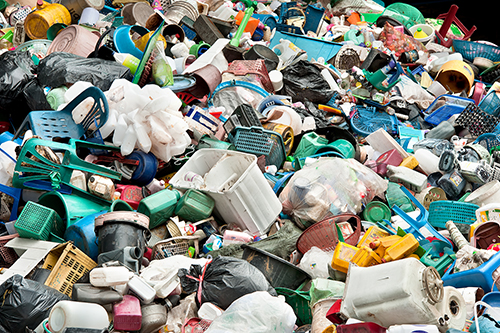
Avoid Other Single-Use Plastics
Besides water bottles, an easy way to start a more sustainable lifestyle is by avoiding or eliminating as many single-use plastic items as possible. According to EarthDay.org, 335 million metric tons of plastic are produced each year with half of that destined for single use before it ends up in a landfill or the ocean—where it will remain forever, never decomposing. Some examples of re-usable plastic substitutes:
- Canvas shopping bags
- Silicone food storage bags
- Beeswax food wraps
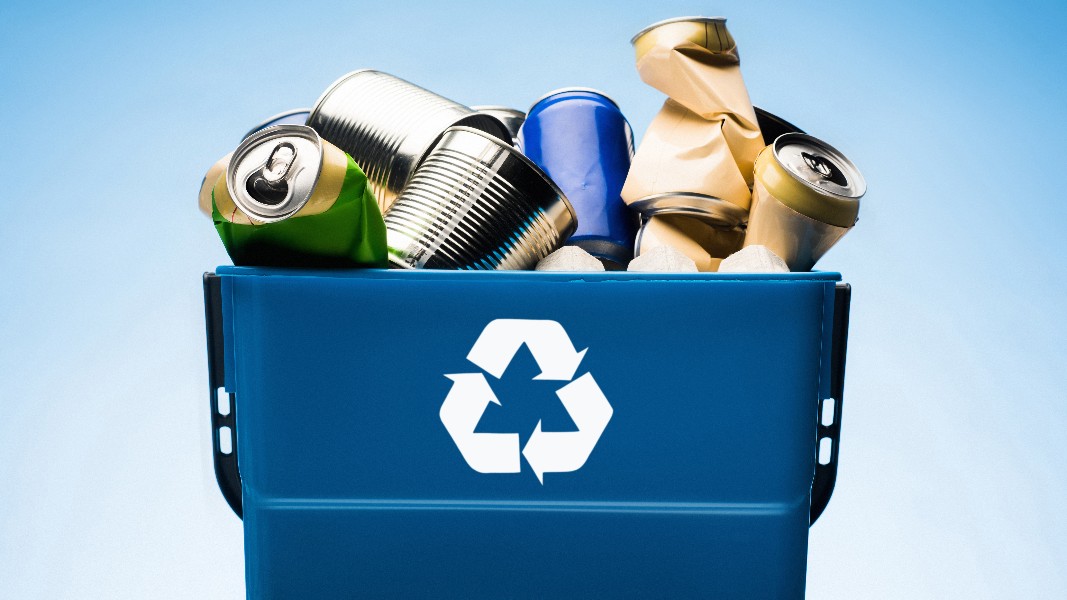
Recycle
Soda cans, paper products, and some plastics are recyclable through your city or town. Be sure to research what your local recycling program is and follow those guidelines when disposing of products. Plastic bags are a tricky category, as they typically aren’t compatible with most recycling programs, but many stores have designated drop off locations. (Better yet, eliminate the use of plastic bags all together by bringing your own bags.)
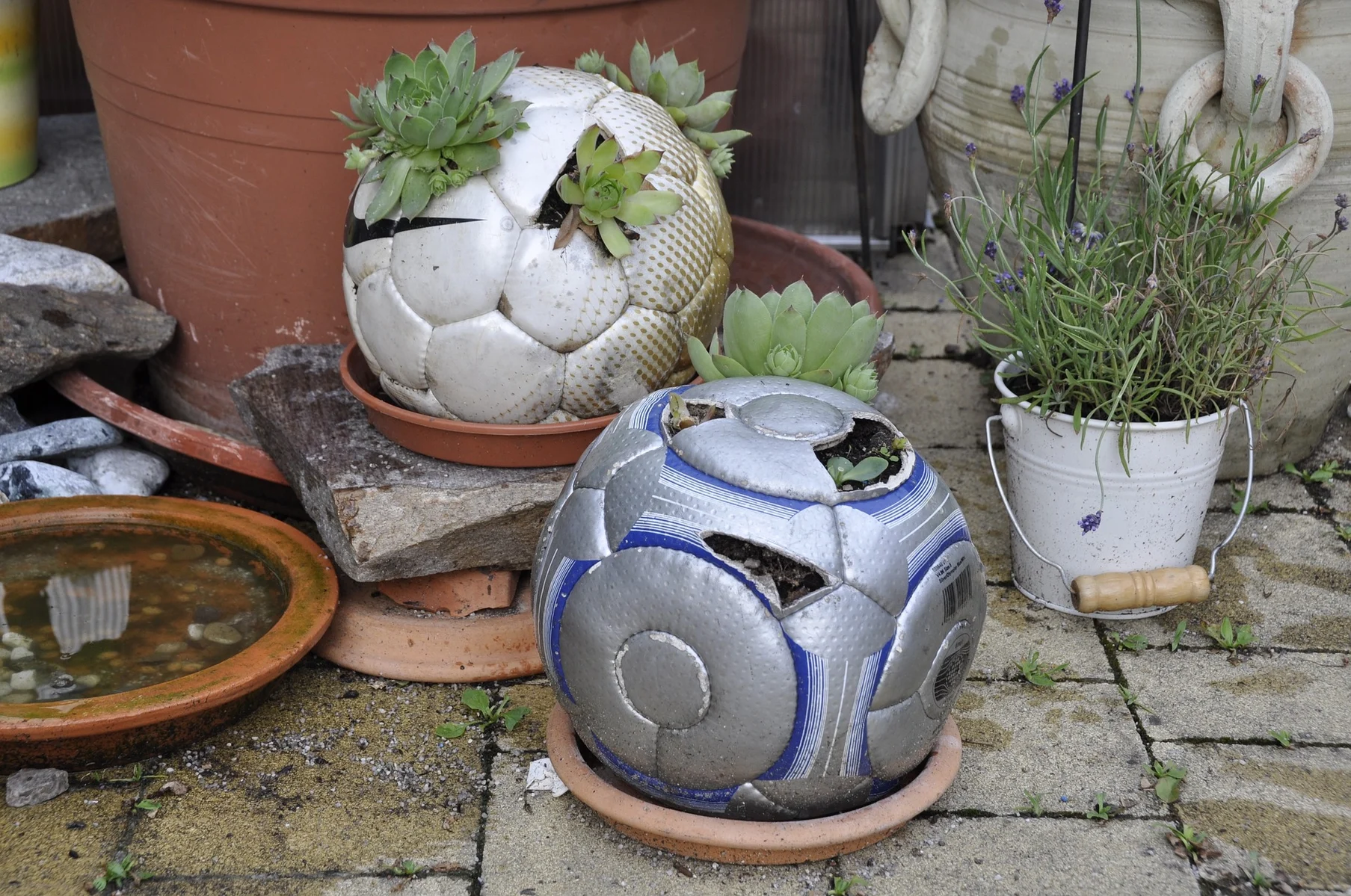
Upcycle
Similar to recycling, upcycling, or creating new uses for otherwise unwanted products, is a fun and easy way to reduce your waste. Before tossing, say, your plastic strawberry container from the grocery store, consider other ways to use the product: fill it with soil and plant seeds or use it to separate items in your desk drawers. Consider buying used clothes and gear and donate your unwanted items instead of tossing them in the trash. Have some old T-shirts that even thrift stores don’t want? Cut them up into dish rags to use instead of buying paper towels.
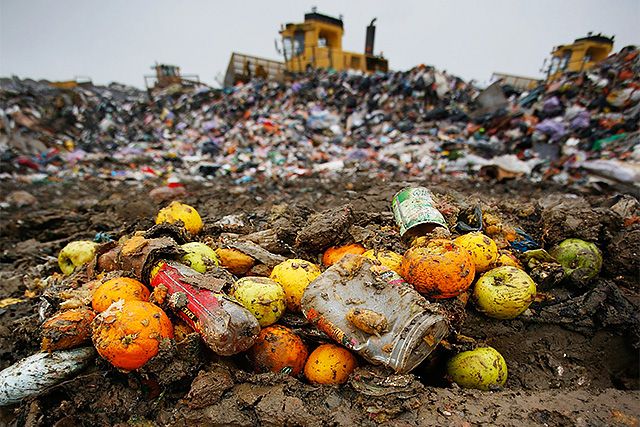
Reduce Food Waste
Thirty to 40 percent of the U.S. food supply ends up as waste, and the largest category of items that end up in landfills, according to the U.S. Food & Drug Administration. Not only is that hazardous to the environment (producing methane as it rots in landfills and contributing to climate change), it’s also a lost opportunity to feed those in need. To help reduce food waste as an individual, first try to limit shopping for only what you need. Composting is another effective way to reduce food waste—instead of tossing out your food scraps, build your own compost bin, drop off at a designated collection site, or participate in your city or town’s program (if available).

Go Vegan (or Vegetarian)
According to Science magazine, switching to a vegetarian or vegan diet can reduce your carbon footprint by 73 percent and is one of the best ways to fight climate change. Raising farm animals for consumption is one of the lead producers of greenhouse gas emissions—30 percent of the Earth’s land is currently used for livestock, and factories emit exorbitant amounts of greenhouse gasses through energy use and transportation. Livestock farms also produce detrimental amounts of nitrous oxide and methane (the average cow or sheep produces an estimated 250-500 liters of methane per day), which over time can be far more lethal to the environment than carbon dioxide. By switching to a plant-based diet, or even cutting back on the amount of meat you eat each week, can help lower your own personal environmental impact.
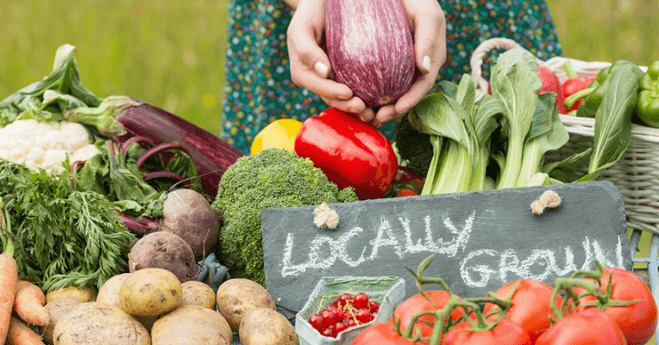
Eat Local
It’s important to consider where your food comes from. The food you purchase in grocery stores can travel hundreds if not thousands of miles before it reaches your home. By shopping local—either at farm stands, farmer’s markets, or a community supported agriculture (CSA) program— you’re helping to lower carbon emissions from transporting those foods, as well as from non-sustainable agricultural practices, and lessen your own carbon footprint. Plus, you’re supporting your local community. When you’re at your local grocery store, do some research ahead of time to find products that participate in sustainable practices. Organic foods are usually free of pesticides and other harmful chemicals, and look for shade grown or bird-friendly coffee brands to help bird habitats. And if you have the space, start your own garden and plant a variety of foods and flowers to stimulate a healthy ecosystem in your backyard.

Conserve Water
Only 3 percent of the Earth’s water is freshwater, and less than 1 percent is safe for drinking, according to the U.S. Bureau of Reclamation. Conserving this natural resource is essential not only for the health of humans, animals, and plants, but it’s also beneficial for the environment reducing water usage saves energy and reduces greenhouse gas emissions needed to clean that water. Easy ways to conserve water at home include
- turning off the faucet while brushing your teeth or washing dishes
- taking shorter showers
- watering your garden/plants with a watering can or rainbarrel instead of a hose


Copyright © Greenation.eco, 2026 | All rights reserved.